
Training
Developing the next generation of technical talent Summit Pro’s training model is built around practical, industry-relevant skills that reflect current technology market needs. The profile says the company focuses on hands-on learning, real-world projects, and in-demand technical domains.
Training Areas
Cloud Computing (AWS & Azure)
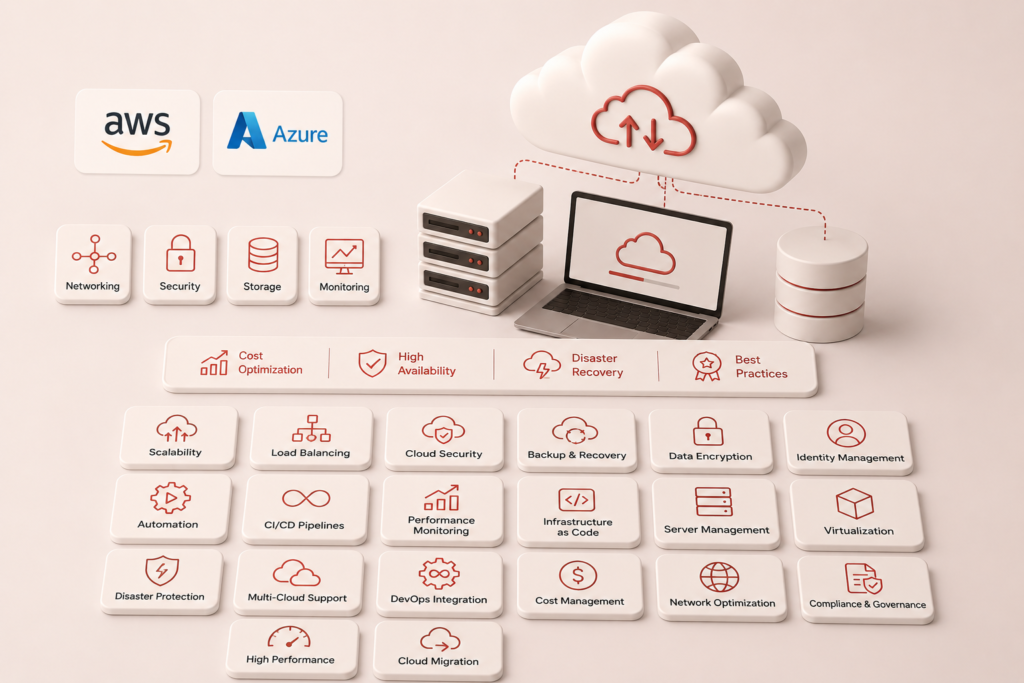
Learn how to design, deploy, manage, and optimize scalable cloud infrastructure using leading cloud platforms such as Amazon Web Services (AWS) and Microsoft Azure. This training covers the fundamentals of cloud architecture, virtualization, networking, storage, and cloud security while introducing participants to real-world cloud deployment scenarios.
Participants will gain practical experience in managing cloud resources, configuring services, monitoring infrastructure performance, and implementing scalable cloud solutions for modern business environments. The program also focuses on cost optimization, high availability, disaster recovery, and best practices for cloud operations, preparing trainees for cloud-focused technical roles and certifications.
Cybersecurity
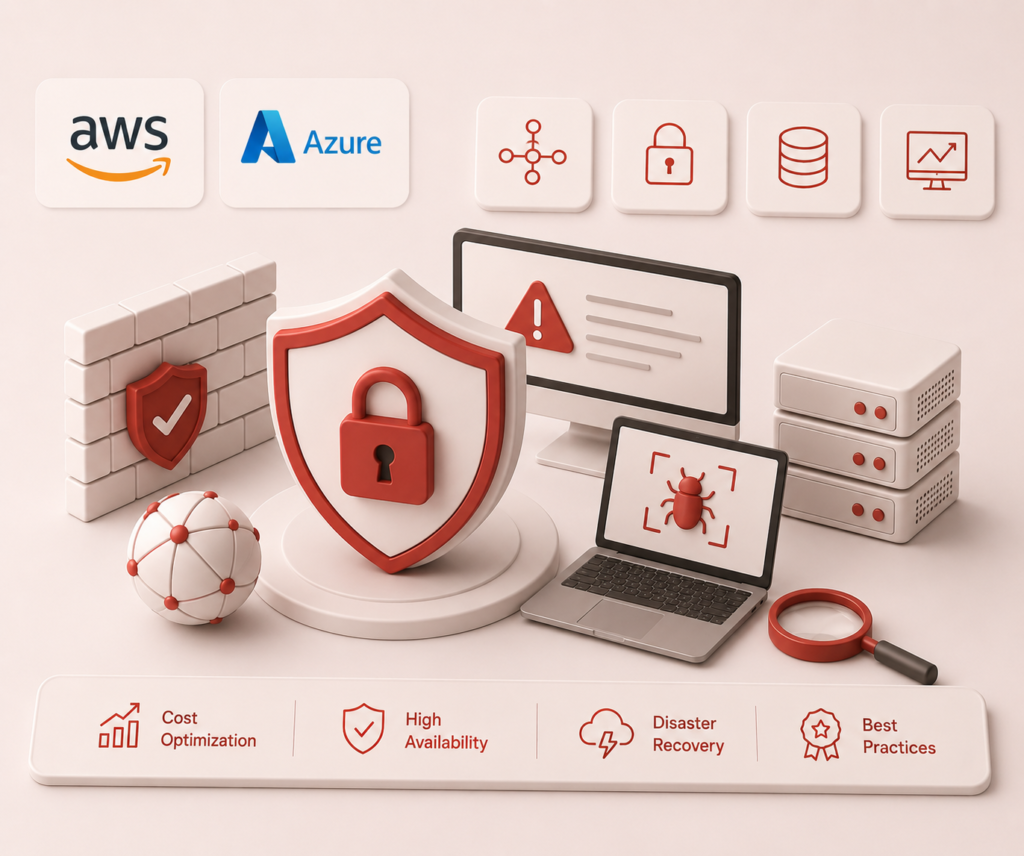
Build the technical knowledge and practical skills required to protect systems, networks, applications, and data from modern cyber threats and security vulnerabilities. This training introduces participants to core cybersecurity concepts including network security, ethical hacking, threat detection, monitoring, risk management, and security operations. Through hands-on exercises and real-world scenarios, trainees will learn how to identify vulnerabilities, analyze risks, respond to incidents, and implement effective security measures across technical environments. The program also covers security best practices, compliance fundamentals, and modern protection strategies that help organizations maintain secure and reliable digital operations.
DevOps & Automation
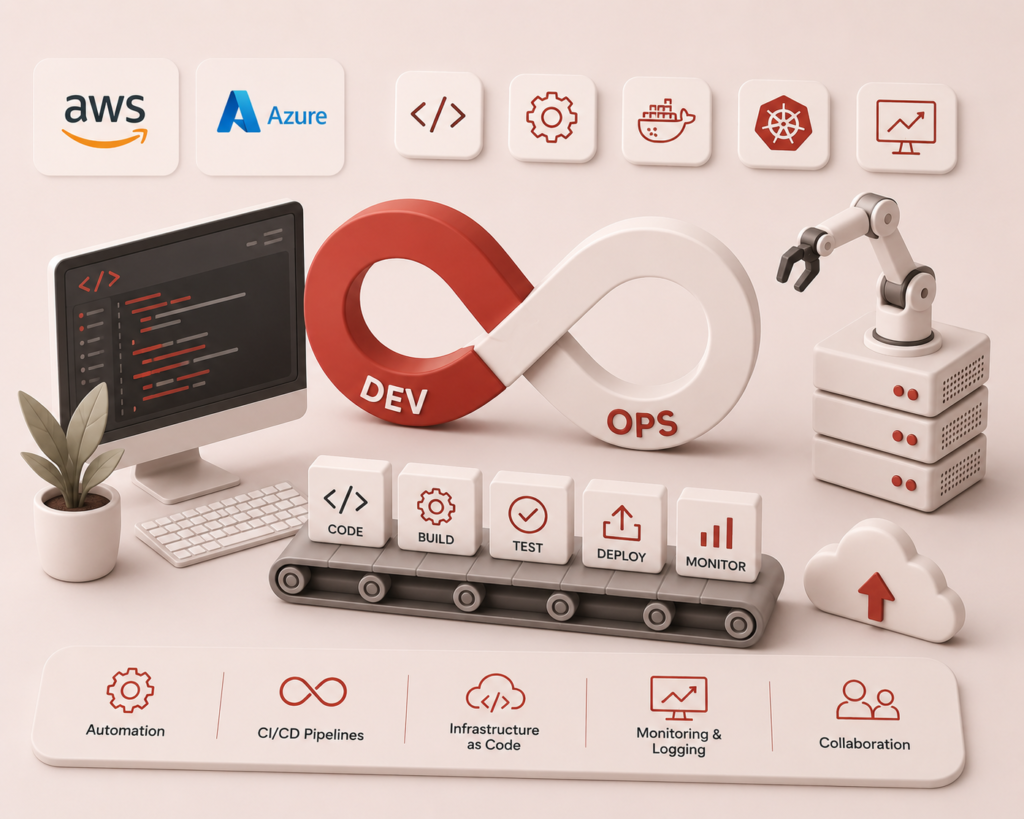
Develop the skills needed to streamline software delivery, infrastructure management, and operational workflows using modern DevOps methodologies and automation practices. This training focuses on CI/CD pipelines, Infrastructure as Code (IaC), containerization, orchestration, monitoring, and deployment automation. Participants will gain hands-on experience with tools and workflows that improve collaboration between development and operations teams while increasing efficiency, scalability, and deployment reliability. The program emphasizes automation, continuous integration, system monitoring, and cloud-native operations, helping trainees understand how modern organizations accelerate software delivery and maintain stable infrastructure environments.
Enterprise Architecture
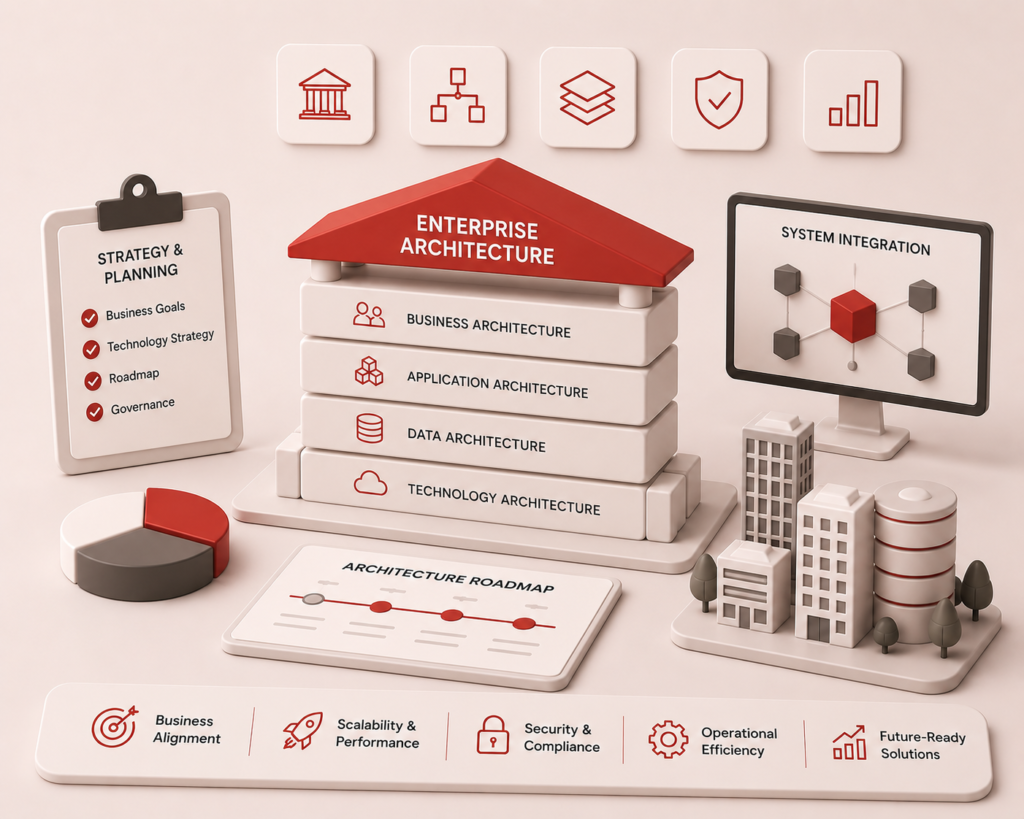
Learn how to align technology infrastructure with business objectives while designing scalable, efficient, and future-ready enterprise systems. This training introduces participants to enterprise architecture frameworks, system design principles, business process alignment, and technology strategy planning. Trainees will understand how organizations structure and manage large-scale technical environments while balancing scalability, performance, security, and operational efficiency. The program also explores system integration, digital transformation strategies, governance models, and architecture planning techniques that support sustainable business growth and technology modernization.
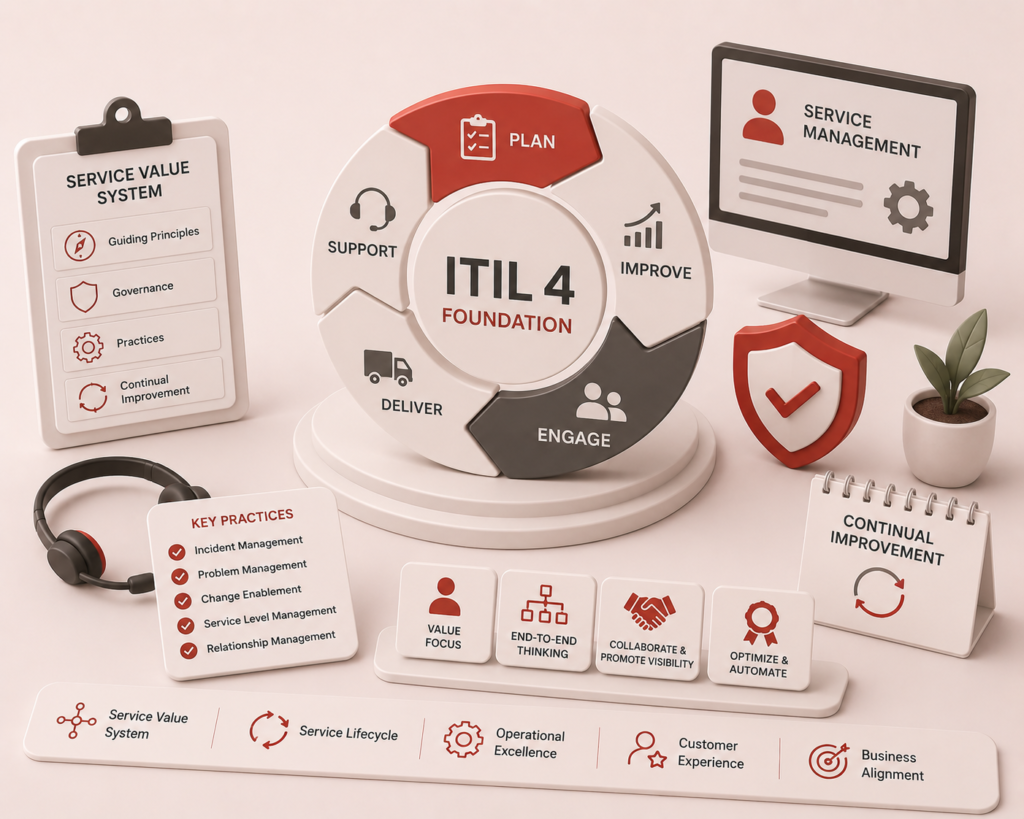
ITIL 4 Foundation
Understand modern IT service management principles and how organizations deliver value through efficient and reliable IT services. This training covers the ITIL 4 framework, including service value systems, governance, continual improvement, incident management, and service management best practices. Participants will learn how to improve service quality, optimize operational processes, and align IT services with business goals. The program focuses on building a strong understanding of service lifecycle management, operational efficiency, customer experience, and modern IT management methodologies used across enterprise environments worldwide
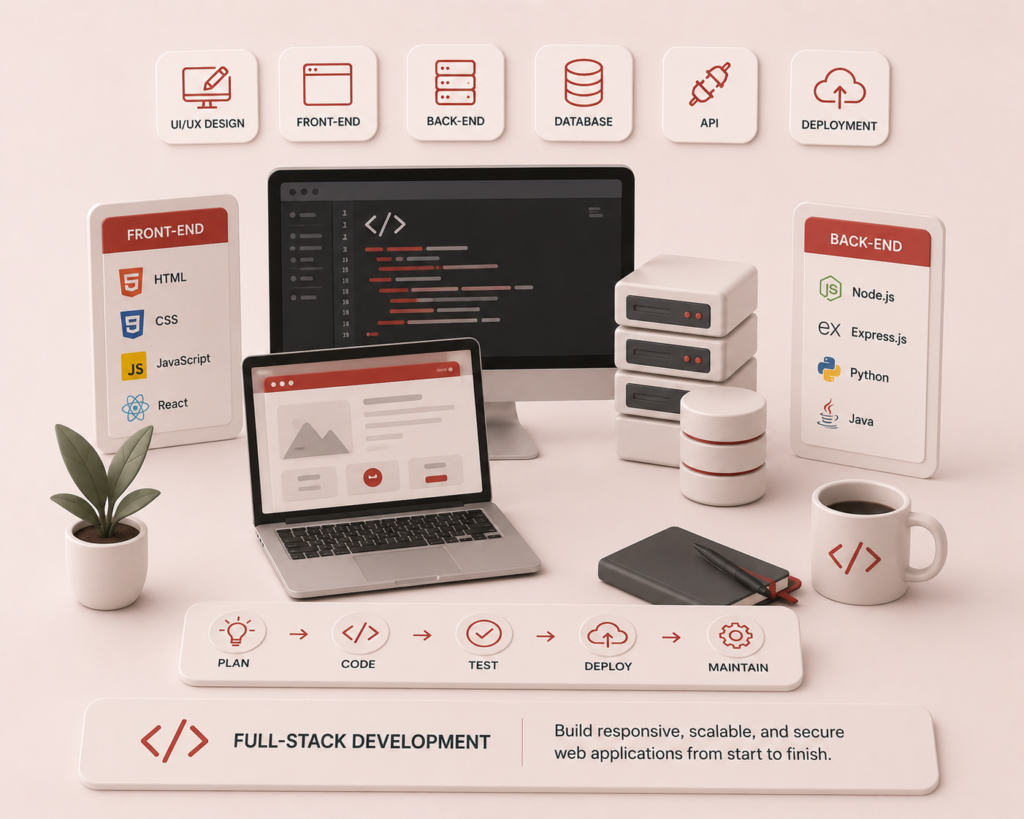
Full-Stack Development
Learn how to build complete web applications by understanding both frontend and backend development. This training introduces participants to the full software development lifecycle, including user interface development, server-side logic, databases, APIs, authentication, and application deployment. Trainees will understand how modern web systems are structured and how different layers of an application work together to deliver reliable digital products. The program also focuses on practical coding skills, responsive interfaces, backend integration, database operations, clean development practices, and real-world project implementation, helping learners build the foundation needed for junior full-stack development roles.
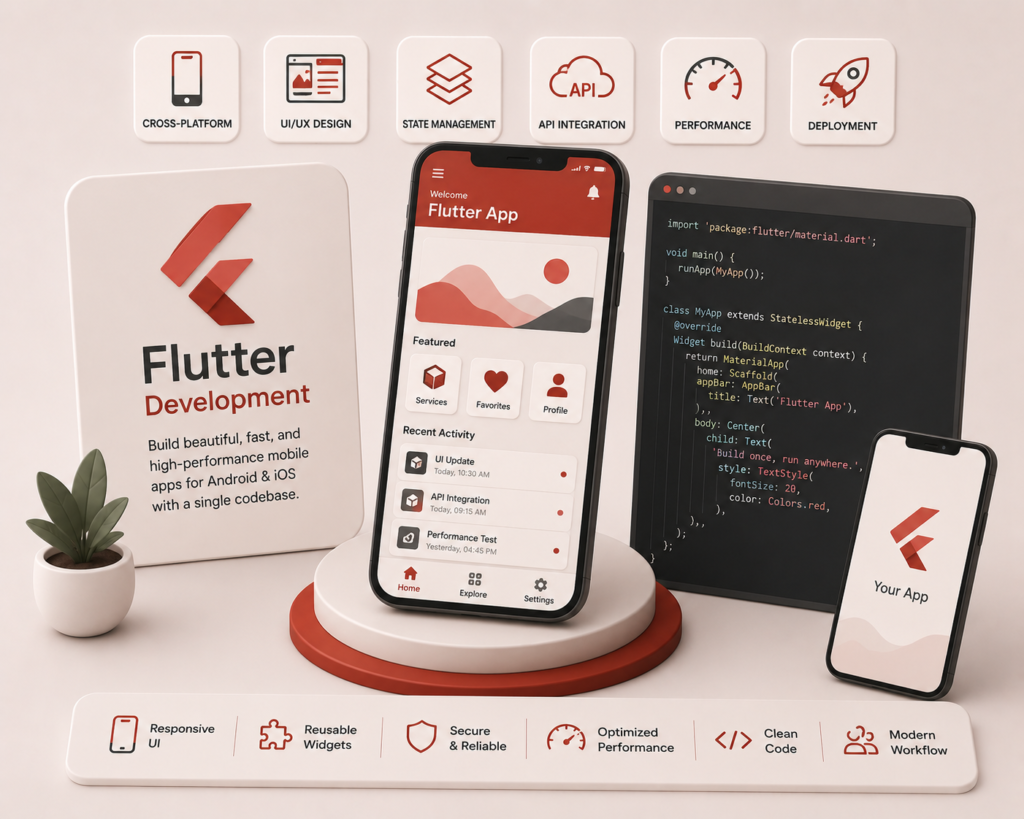
Flutter Development
Learn how to design and build modern cross-platform mobile applications using Flutter. This training introduces participants to mobile app development concepts, user interface design, app structure, navigation, state management, API integration, and deployment basics. Trainees will understand how Flutter enables developers to create applications for both Android and iOS using a single codebase while maintaining strong performance and a consistent user experience. The program also focuses on practical app-building skills, reusable components, responsive layouts, backend connectivity, debugging, and real-world mobile project development, helping learners prepare for mobile development roles and freelance app projects.
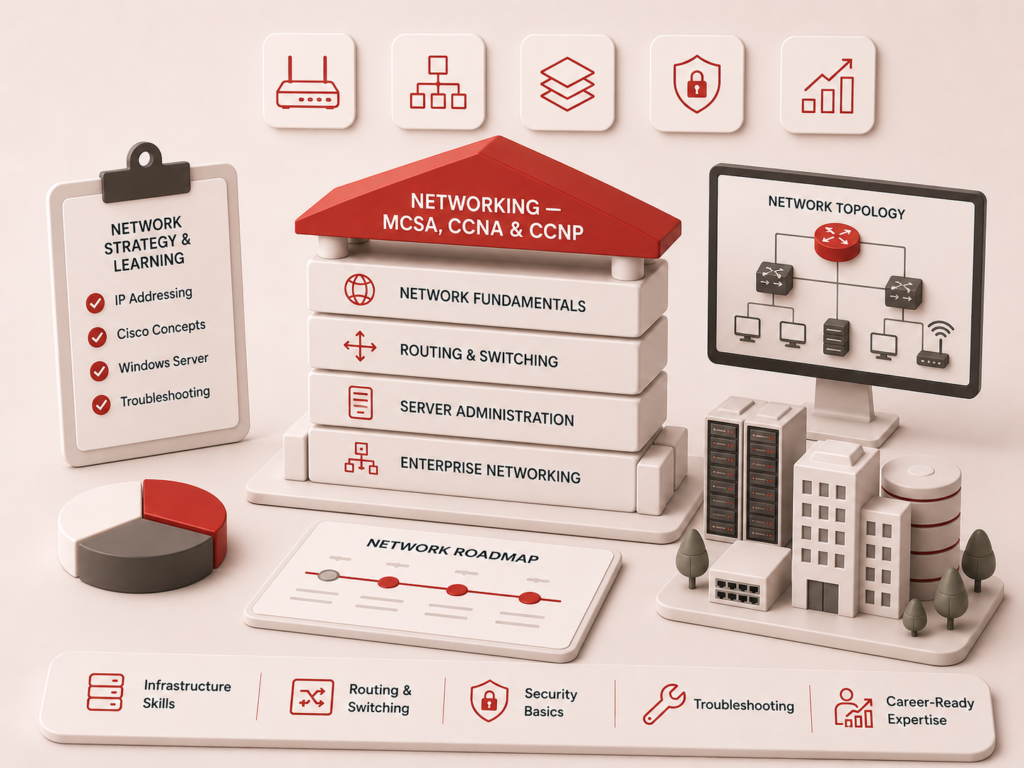
Networking — MCSA, CCNA & CCNP
Build a strong foundation in computer networking, system administration, and enterprise infrastructure through practical training aligned with real IT environments. This program introduces participants to networking fundamentals, routing and switching concepts, IP addressing, network devices, server administration, and infrastructure management. Trainees will develop the knowledge needed to understand how networks are designed, configured, secured, and maintained across business environments. The training also covers essential concepts related to Microsoft systems, Cisco networking, troubleshooting, network security basics, and scalable infrastructure practices, helping learners prepare for technical roles in IT support, network administration, and infrastructure operations.
Artificial Intelligence
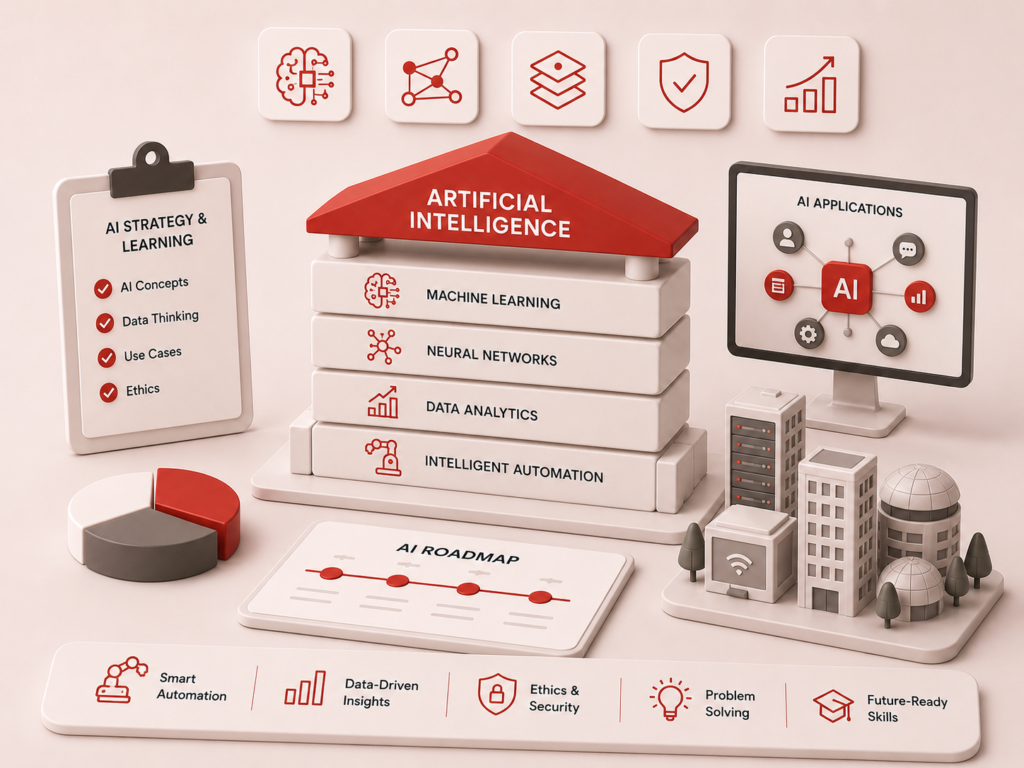
Learn how Artificial Intelligence is transforming modern businesses, digital products, and technical workflows. This training introduces participants to the core concepts of AI, machine learning, data-driven decision-making, automation, and intelligent systems. Trainees will understand how AI tools and technologies can be applied to solve real-world problems, improve productivity, analyze information, and support smarter business operations. The program also explores practical AI use cases, prompt engineering, intelligent automation, ethical considerations, and how professionals can integrate AI into technical, business, and digital environments to create more efficient and future-ready solutions.
Digital Marketing
Learn how to plan, launch, manage, and optimize digital marketing campaigns across modern online channels. This training introduces participants to the fundamentals of digital strategy, social media marketing, content planning, paid advertising, search visibility, analytics, lead generation, and campaign performance measurement. Trainees will understand how brands attract audiences, convert prospects, and improve marketing results using data-driven decisions. The program also explores customer targeting, campaign funnels, creative testing, reporting, and practical marketing tools, helping learners develop the skills needed to support business growth, manage online presence, and execute effective digital campaigns.